
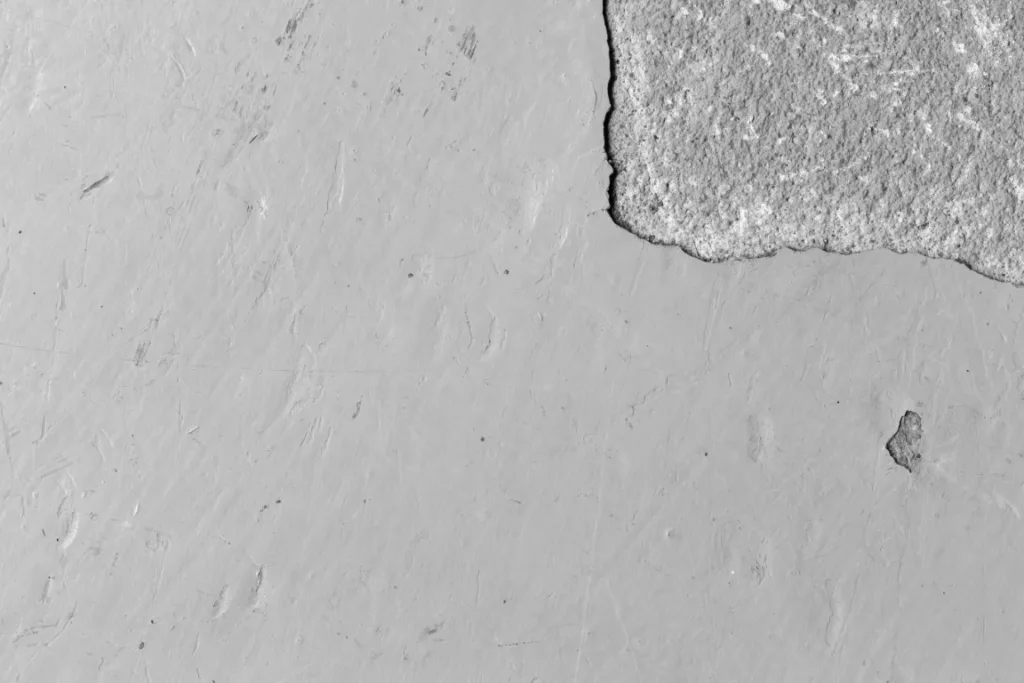
Industrial coatings are designed to protect equipment, machinery, metal structures, and other surfaces from corrosion, chemical exposure, and everyday wear. However, even the best industrial coatings can fail prematurely if surface contamination is present. This contamination can interfere with the coating’s ability to bond with the surface, causing it to deteriorate and requiring costly recoating projects.
In this blog post, we’ll explore the types of surface contamination that often interfere with coating performance, how and why they cause failures, and what your facility can do to prevent issues.
Common Types of Surface Contamination That Cause Coating Failure
Some types of surface contamination are obvious. Others are invisible to the naked eye and difficult to detect without appropriate testing. Surfaces that may look clean can still contain oil films, soluble salts, or fine dust particles that can interfere with coating adhesion.
Let’s take a look at some of the most common sources of surface contamination:
Oil and Grease
Lubricants, hydraulic fluids, machine oils, and grease can accumulate on industrial equipment and metal surfaces. These oily residues prevent proper coating adhesion, which is why it’s so important to clean it before applying a coating — however, simply wiping the surface with a dry cloth often spreads contamination rather than removing it.
Dirt, Dust, and Abrasive Residue
Airborne dust, dirt, grinding debris, and leftover abrasive materials can interfere with coating adhesion. When these particles are trapped beneath a coating, they create weak points and uneven finishes. This is why it’s essential to clean surfaces after abrasive blasting or mechanical preparation.
Moisture and Condensation
The presence of water on a surface — such as condensation that forms when metal temperatures approach the dew point — can interfere with coating adhesion and curing. To prevent this, check the surface temperature, humidity, and dew point before applying the coating.
Salts and Chemical Residues
Soluble salts from marine exposure, deicing salts, and process chemicals can remain on metal surfaces even after visible dirt and rust have been removed. Salts attract and retain moisture beneath coatings, potentially contributing to blistering and corrosion. Specialized testing may be necessary to detect invisible salt contamination so it can be addressed before coating application.
Old Coatings
If there’s already a deteriorating coating on the surface, it can interfere with the new coating system. It’s typically best to remove the old coating before applying the new one, but a compatibility assessment can help determine whether it’s necessary.
Cleaning Product Residues
Detergents, solvents, and other cleaning projects may leave residue if they’re not used correctly or rinsed properly. This residue can interfere with coating adhesion.
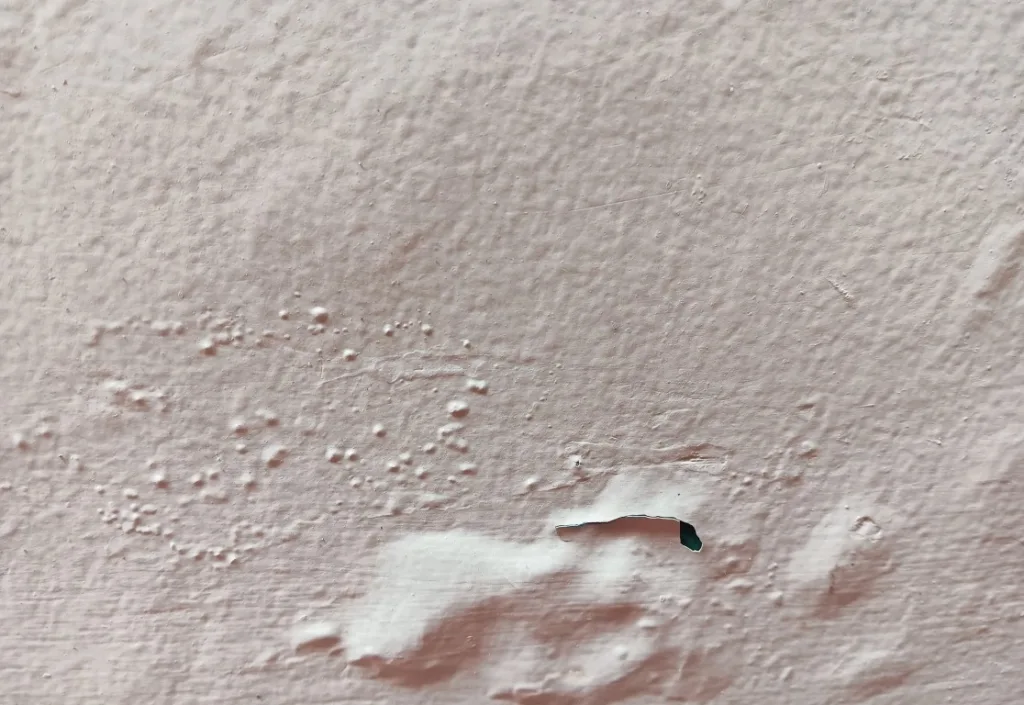
How Surface Contamination Leads to Coating Failure
Surface contamination can lead to a number of different problems with coatings, including:
- Poor adhesion
- Blistering and bubbling
- Underfilm corrosion
- Uneven coverage and finish defects
- Premature deterioration
Rather than being caused by a single factor, coating failure is often the result of a combination of surface contamination, inadequate preparation, certain environmental conditions, and application errors.
Best Practices for Preventing Surface Contamination
Fortunately, surface contamination can often be prevented with the right precautions. Follow these best practices:
- Choose the right cleaning method: Use degreasing procedures to remove oil and grease before surface preparation. Choose compatible cleaning agents and follow manufacturer recommendations for use.
- Use proper abrasive blasting and mechanical preparation: Abrasive blasting removes corrosion, old coatings, and other debris. However, it may not remove oil or soluble salts.
- Test for invisible contaminants: Soluble salt testing, dust assessment, and other tests may be necessary to ensure there’s no invisible surface contamination. Testing should be based on the coating specification, exposure conditions, and project requirements.
- Control the environment before application: Monitor the ambient and surface temperature, humidity, and dew point. Protect prepared surfaces from dust, moisture, and other contaminants. Avoid applying coatings when environmental conditions are outside the product’s specified limits.
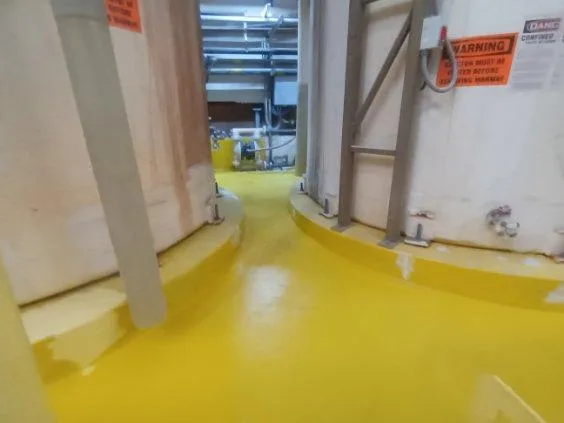
Trust the Coating Professionals at Brush Brothers Industrial
If you want to avoid surface contamination and coating failure, work with the experts at Brush Brothers Industrial. We’ll assess the condition of the substrate, select the right preparation methods, and make sure the surface is ready for coating. We don’t treat surface preparation and quality control as optional steps — we know they’re essential parts of the coating project.
If you’re planning an industrial painting or recoating project, contact Brush Brothers Industrial today to schedule a free consultation and discuss your needs.