
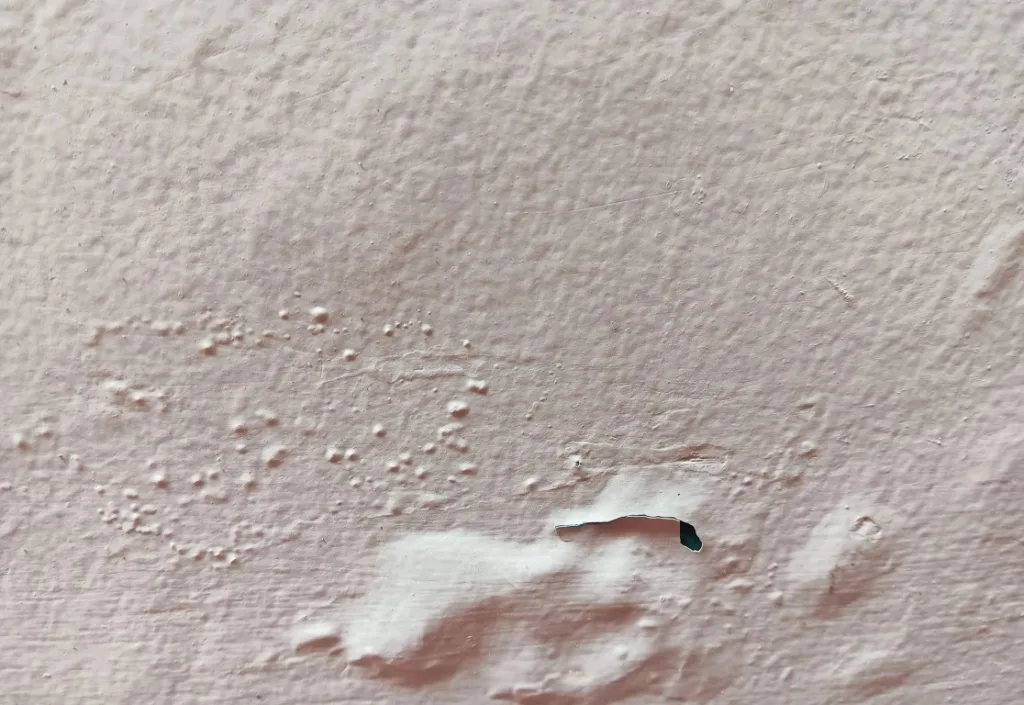
Industrial coatings are designed to provide protection against wear, help improve durability, and enhance performance. When the coating is bubbling, blistering, peeling, or uneven, its appearance and functionality are compromised. Fortunately, coating failures are often repairable when the underlying cause is identified.
Keep reading to learn the common causes of bubbling coatings, how to accurately diagnose the issue, some repair methods to use, and how to prevent future issues.
Common Causes of Bubbling Industrial Coatings
Bubbling and blistering coatings involve air-filled pockets forming beneath or within the coating, indicating trapped moisture, air, or adhesion problems. There are many reasons why your industrial coating may be bubbling, including:
Surface Contamination
Inadequate surface preparation can leave oils, grease, dirt, dust, and chemical residue on the surface. Depending on the surface prep methods, there can also be residual blasting media or cleaning products left behind, as well. Surface contamination prevents proper adhesion, causing issues like bubbling and peeling.
Moisture Problems
Moisture can get trapped beneath the coatings, causing blisters. This moisture can be because of condensation on the substrate, high humidity during application, or if the coating was applied to a damp surface.
Incorrect Surface Preparation
Surface preparation is key to achieving a smooth finish. Improper blasting or grinding or a failure to remove rust or old coatings can impact the coating’s adhesion and create an uneven surface.
Environmental Conditions During Application
The environmental conditions during coating application can affect the end results, as well. Excessive heat or cold, high humidity, direct sunlight, and airborne contaminants can all impact the curing process, making future bubbling more likely.
Mixing or Product Issues
Issues with the coating product can cause bubbling. Incorrect mixing ratios, insufficient mixing, expired or improperly stored materials, and incompatible coating systems are a recipe for disaster.
How to Diagnose the Problem Before Making Repairs
Before making any repairs to your coating, you first need to identify the root cause of the bubbling. This is where professional help is key — coating contractors can perform moisture and adhesion tests, review the surface prep methods used, consider the manufacturer’s instructions, and determine the origin of the issue.
Step-by-Step: How to Fix Bubbling Coatings
Step 1: Identify and Eliminate the Cause
If you skip this step and decide to simply recoat over the defects, you’re risking repeated failure. It’s essential to solve the underlying problem so that it doesn’t happen again. This may mean removing the moisture source, improving ventilation, eliminating surface contamination, or waiting to reapply until the environmental conditions are ideal.
Step 2: Remove Failed Coating
Next, it’s time to remove the failed coating. Depending on the extent of the issue and the type of coating, this can be accomplished by sanding, grinding, abrasive blasting, or mechanical removal.
Spot repairs are typically sufficient when the bubbles are localized, there’s only minor texture inconsistencies, the damage is limited, and the surrounding areas are structurally sound. If the damage and blistering are widespread, the adhesion is poor overall, there’s extensive corrosion beneath the coating, or the coating has failed repeatedly, a full removal and recoat may be necessary.
Step 3: Properly Prepare the Surface
After the old coating has been removed, it’s time to properly prepare the surface for the new coating. Clean it thoroughly to remove dust and residue, ensure the surface profile is suitable for the type of coating, and verify that the surface is in good condition.
Step 4: Reapply the Coating
Now, you can finally reapply the coating — correctly this time. Make sure you follow the manufacturer’s specifications (especially regarding the recommended environmental conditions), use the proper equipment, maintain the proper coating thickness, and allow sufficient curing time between coats.
Step 5: Inspect the Repair
The last step is inspecting the repair. In addition to a visual inspection, this can involve verifying the thickness, performing adhesion tests, and quality control checks before resuming the use of your industrial equipment or floors.

Preventing Future Coating Failures
Of course, it’s always a good idea to try to prevent future coating failures. Follow long-term best practices, including:
- Thorough surface preparation
- Moisture and environmental monitoring
- Proper material storage and mixing
- Skilled application methods
- Routine inspections and maintenance
- Working with experienced coating professionals
Trust the Experienced Coating Professionals at Brush Brothers Industrial
The best way to fix your bubbling coating for good is to turn to the experts at Brush Brothers Industrial for help. We know how to identify the cause, prepare the surface correctly, and use the proper application techniques in order to ensure successful repairs. If your industrial coating is bubbling or blistering, contact us today to schedule a consultation and learn more about how we can help.