
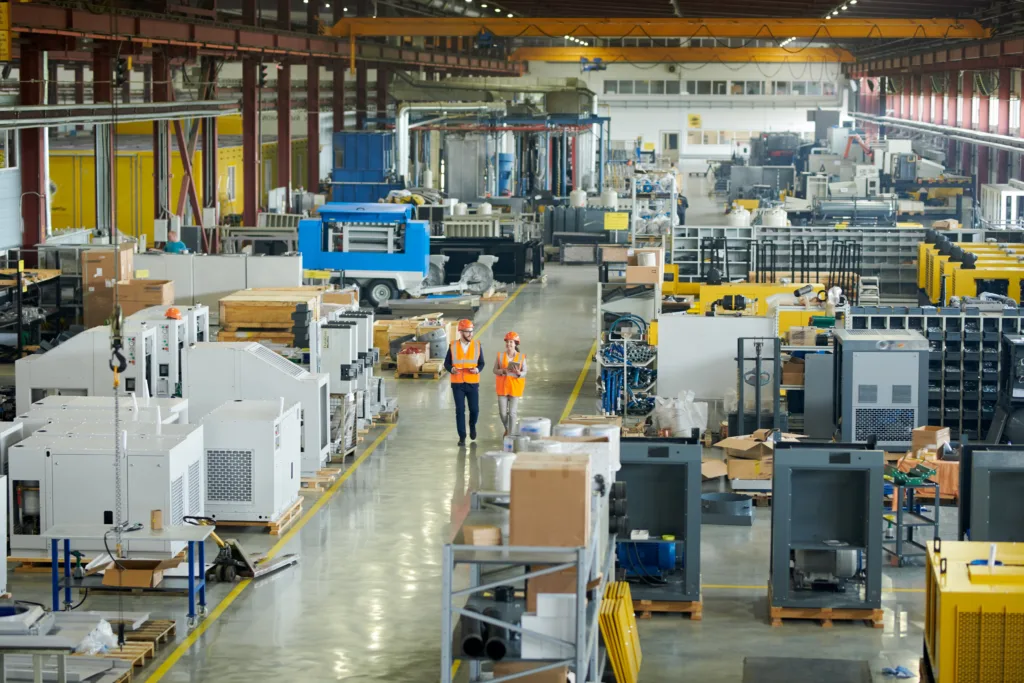
Manufacturing plants are demanding environments. Heavy machinery, constant movement, vibration, abrasion, chemicals, and temperature fluctuations contribute to wear and tear. This means that floors, walls, structural steel components, equipment supports, and production areas can deteriorate over time without the proper protection.
That’s where industrial coatings come in. This proactive solution helps extend the life of various surfaces found in manufacturing plants and can reduce lifetime maintenance costs. If you own or operate a manufacturing plant, keep reading to learn more about how industrial coatings can help prevent wear, some types of coatings to consider, how to select the right coatings, and some signs it may be time for recoating.
Understanding Machinery-Related Wear in Manufacturing Facilities
First, let’s go over some of the machinery-related wear that occurs in manufacturing facilities:
- Abrasion and friction: Forklifts, carts, pallet jacks, conveyors, and other heavy equipment create constant friction on floors and surfaces, gradually removing protective layers and weakening substrates.
- Impact damage: Dropped tools, materials, and equipment can chip concrete and damage surfaces.
- Chemical exposure: Surfaces can be exposed to oils, lubricants, solvents, coolants, and cleaning agents. These chemicals can accelerate deterioration when the surfaces are not properly protected.
- Vibration and mechanical stress: Vibrations from machinery contribute to coatings cracking over time. That’s why it’s so important to select coatings designed to withstand stress.
- Corrosion and moisture intrusion: Moisture, humidity, and liquids used in the manufacturing processes can corrode steel structures and equipment over time.

Why Surface Protection Matters
Surface protection is essential for extending the lifespan of various assets. Protective coatings help shield surfaces from the daily wear and tear of manufacturing operations, which means your floors, walls, and structural components can last longer. This, in turn, lowers long-term facility expenses — maintaining coatings costs much less than performing major repairs or replacing surfaces.
Furthermore, surface failures can interrupt your daily operations, causing production downtime that costs you money. The right coatings can help prevent unexpected shutdowns and repairs so you can continue with business as usual.
Finally, durable coatings can greatly improve the safety of your manufacturing plant. Damaged floors and deteriorated surface can create slip, trip, and equipment hazards. Properly maintained and coated floors, on the other hand, contribute to safer operations.
Types of Industrial Coatings Used in Manufacturing Plants
Choosing the right type of coating for your manufacturing plant is key to ensuring it’s long-lasting and effective. There are many different types of industrial coatings that can be suitable for manufacturing plants, including:
- Epoxy coatings: Epoxy coating systems are known for their durability, chemical resistance, and ability to withstand heavy traffic. They can be used for manufacturing plant floors and production areas.
- Polyurethane coatings: Polyurethane coatings are known for their flexibility and impact resistance, which means they typically perform well in environments with frequent movement and vibration.
- Polyaspartic coatings: Polyaspartic coatings are also known for their flexibility, plus UV resistance. Additionally, with rapid curing times, your manufacturing plant will experience minimal disruption to its daily operations.
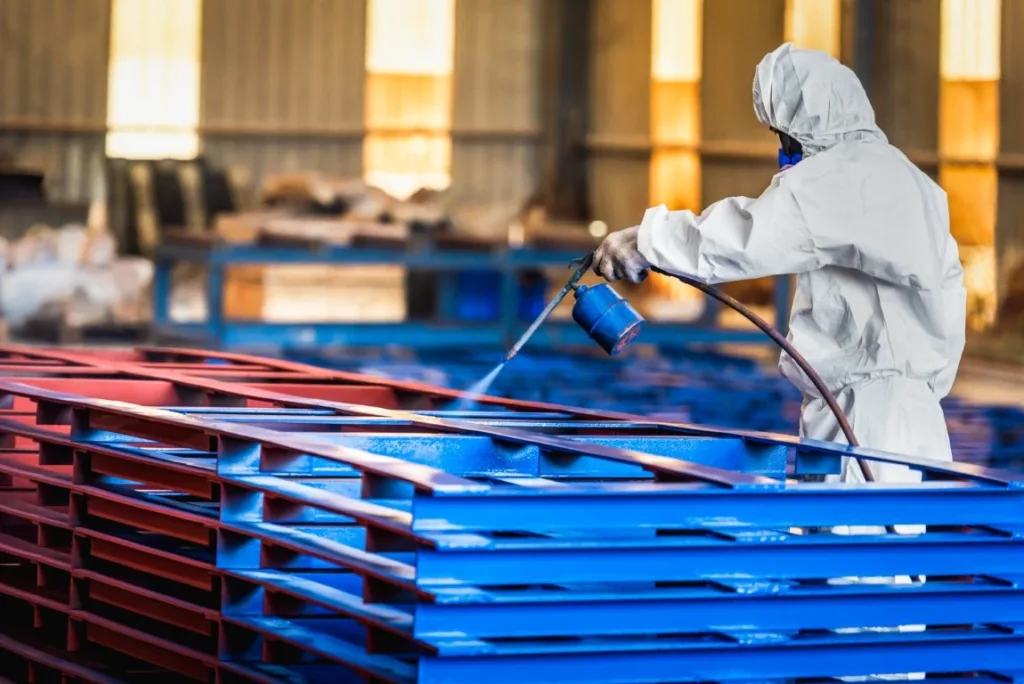
- Corrosion-resistant coatings: Corrosion-resistant coatings are made specifically for steel structures, supports, and machinery components. They help prevent rust and structural degradation.
Key Factors When Selecting a Manufacturing Plant Coating
When you’re selecting a coating for your manufacturing plant, you should consider the type of machinery in use — coating requirements may vary depending on the equipment’s size, weight, and operating conditions. You should also evaluate the levels of pedestrian, forklift, and vehicle traffic before choosing a coating system.
You also need to consider the conditions the coating will be exposed to, including chemicals, moisture, and temperatures. This ensures you choose a coating that’s formulated for the specific application you need it for.
Additionally, different coating formulations require different types of maintenance. Make sure you select one that fits with your maintenance capabilities and that you’ll be able to properly take care of.
Signs It May Be Time to for Recoating
Just because you’ve added a coating to a surface doesn’t mean it won’t need any maintenance in the future. Be on the lookout for these signs it may be time for recoating:
- Visible surface wear, including scratches, scuffing, and worn-through coating layers
- Cracking and delamination that exposes underlying materials to damage
- Corrosion or rust on steel surfaces
- Frequent repairs, which often indicate inadequate surface protection
Trust Brush Brothers for Manufacturing Plant Coatings
At Brush Brothers Industrial, we understand the challenges manufacturing plants face and are prepared to overcome them with the power of industrial coatings. Whether you need help protecting your surfaces from abrasion, impacts, chemicals, moisture, or corrosion, we’re here for you. Contact us today to get started!