
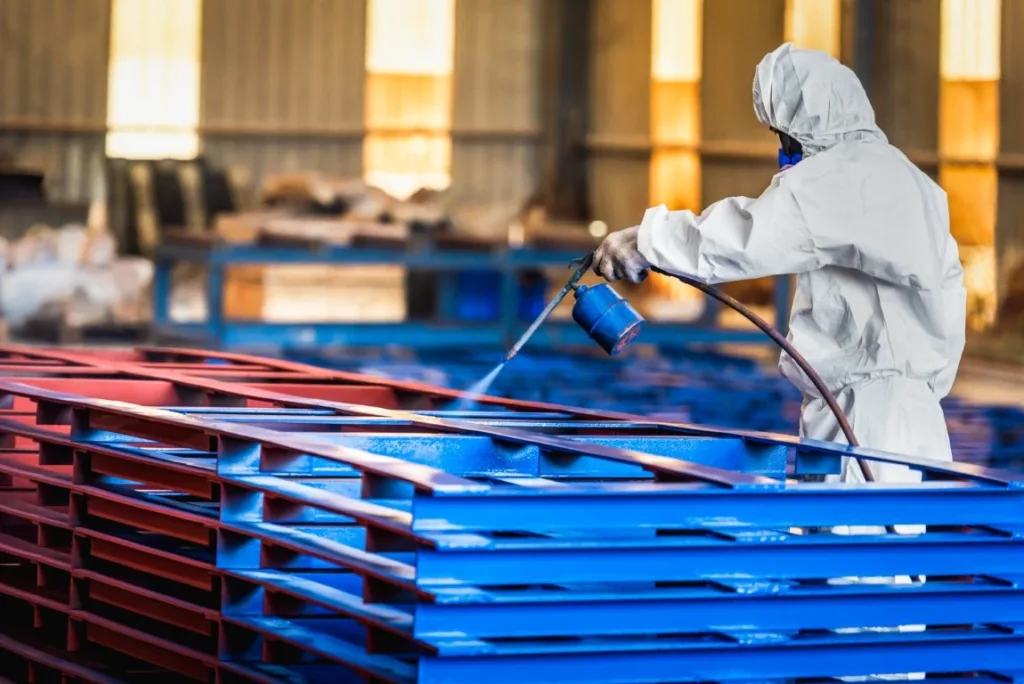
Specialized coatings are essential for protecting your industrial equipment from corrosion, chemical damage, and structural deterioration. They make your facility safer and help extend your equipment’s lifespan. However, just like any surface, they can wear down over time due to environmental exposure and operational stress.
It’s important to be able to recognize the early warning signs that it’s time for recoating before equipment damage becomes too severe. If you own an industrial facility, keep reading to learn the key indicators that it may be time for recoating services from Brush Brothers Industrial.
Why Industrial Equipment Coatings Fail Over Time
Before we get into the signs your equipment needs recoating, let’s talk about some of the reasons why coatings may fail over time.
As coating systems age, they break down little by little, just like any surface. This is especially true for coatings that are constantly exposed to chemicals, moisture, heat, UV rays, and abrasion. While choosing a coating system that’s designed specifically for these environments can certainly help, no coating is infallible.
Coatings are also subject to mechanical wear from vibration, impact, and regular use. The point of a coating is that it sustains wear and tear so that your equipment doesn’t have to. You just have to be on the lookout for signs it’s time for recoating so that you’re not putting your equipment at risk.
8 Signs It’s Time for Recoating
With that out of the way, let’s go over some common signs your industrial equipment needs recoating.
1. Visible Corrosion or Rust Formation
Rust and corrosion are some of the clearest signs of coating failure. Look for it on edges, joints, welds, bolts, and seams.
Once the coating’s protective barrier is compromised, corrosion can spread. Surface rust can typically be removed before recoating, but deeper structural corrosion may necessitate replacing components. That’s why recoating at the first sign of damage is essential to prevent expensive repairs and replacements.
2. Peeling, Flaking, or Delamination
Coating adhesion can break down over time, especially if the surface wasn’t properly prepped before coating application, moisture has intruded, or thermal expansion and contraction has occurred. Even small areas of peeling, flaking, or delamination can rapidly expand if ignored, exposing large sections of the metal surface.
3. Blistering or Bubbling in the Coating
Blistering or bubbling often means there’s underlying moisture or chemical exposure issues, the coating was not properly cured, or it’s simply aging. Whatever the cause, blistering signals coating system failure beneath the surface, which means it’s time for recoating services.
4. Discoloration or Fading
Discoloration and fading are more than just cosmetic concerns. If your coating’s appearance changes, it could be a sign that UV rays, oxidation, or chemical exposure are taking their toll, especially if you notice other signs of damage, as well. This is a good indication that you need recoating services to maintain your coating’s protective qualities.
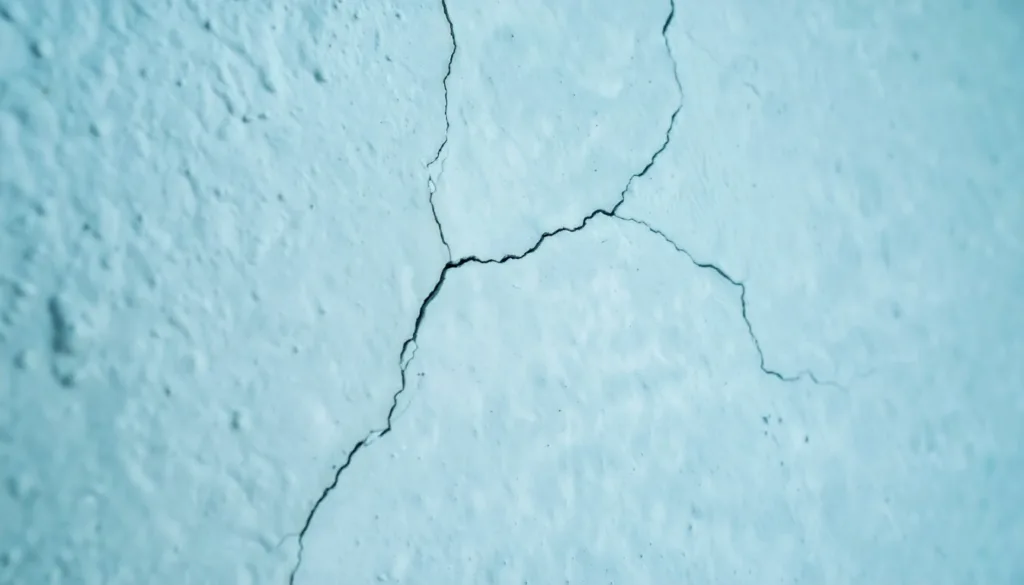
5. Cracking or Checking in the Coating Surface
Checking occurs when the coating surface becomes brittle and prone to fractures. These tiny cracks can occur due to temperature fluctuations, mechanical stress, or simple age-related material breakdown. This allows moisture and contaminants to reach the underlying surface, putting it at risk of corrosion. Recoating services are necessary to ensure your equipment remains protected.
6. Frequent or Increasing Maintenance Needs
When equipment coatings require repeated touch-ups, it’s a good indication that recoating is needed. Constant maintenance is neither cost-effective nor time-efficient. It’s typically much better to opt for full recoating.
7. Chemical or Environmental Exposure Damage
Acids, solvents, and harsh chemicals can degrade coatings over time, especially if the coatings aren’t formulated specifically to withstand chemical exposure. Fading, cracking, and peeling can all be signs of a chemical attack. When recoating, make sure you use chemical-resistant coatings to ensure they’re up for the task.
8. Reduced Equipment Performance or Structural Integrity
Corrosion and surface degradation can affect equipment function, leading to increased friction, contamination, operational inefficiencies, and even potential safety hazards. Addressing coating failure by seeking recoating services as soon as you notice reduced performance helps protect your facility’s productivity and your equipment’s lifespan.

Reliable Coating Services from Brush Brothers Industrial
At Brush Brothers Industrial, we understand the importance of proactive maintenance and timely recoating. Remember that recoating is a smart investment in the longevity of your industrial equipment. If you see any of these warning signs that your coatings are failing, contact us right away to schedule an inspection, and we’ll get you taken care of.