
Your concrete floors may appear dry, but in reality, they may still contain significant internal moisture. In fact, moisture is one of the leading causes of coating failure in industrial environments, causing peeling, bubbling, and delamination. This is why performing proper moisture testing before coating application is essential.
If you’re considering adding a coating to your concrete floors, keep reading to learn why moisture testing is so important, some common moisture testing methods, what to do when moisture levels are too high, and the role of a professional coating contractor like Brush Brothers Industrial.
Understanding Moisture in Concrete
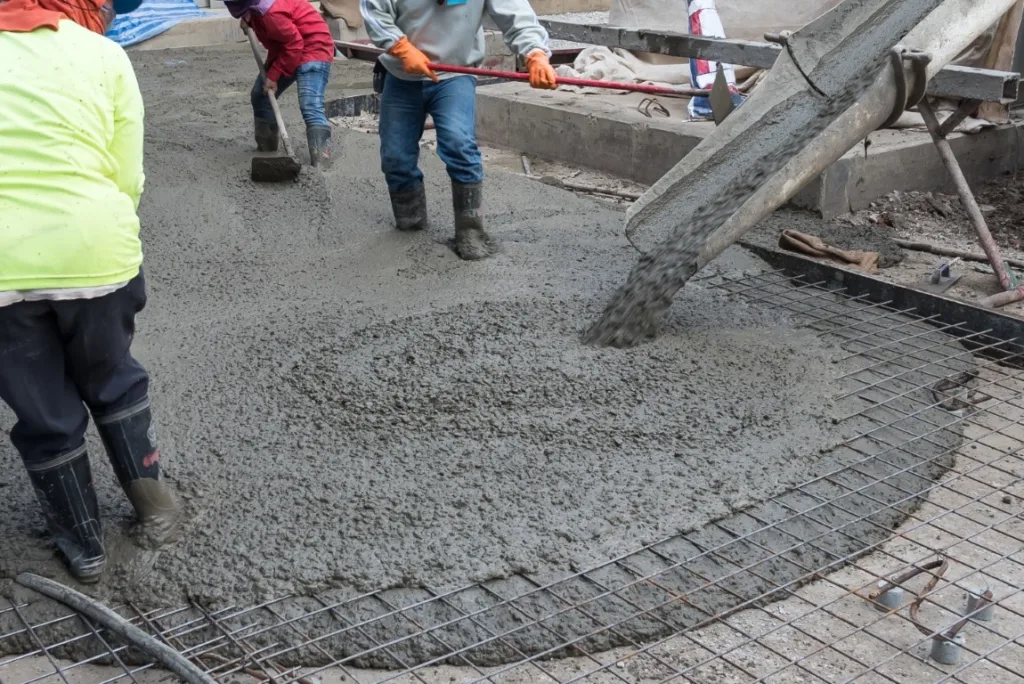
First, let’s go over the basics of moisture in concrete. Water is necessary for laying concrete — when you combine the concrete mixture with water, you get a slushy liquid that can be poured into molds or onto the floor. More importantly, water reacts with the cement particles to form chemical bonds, giving concrete its strength.
Concrete sets within 24–48 hours and feels dry to the touch, but that doesn’t mean there isn’t still moisture underneath the surface. The curing process continues for weeks, with industry standards stating that it isn’t fully cured until 28 days later.
However, even long after concrete has fully cured, there may still be excess moisture trapped inside, whether due to groundwater vapor transmission, high humidity, leaks, or improper drainage.
Why Moisture Testing Is Critical Before Coating
Moisture can impact coatings’ ability to adhere with the concrete, leading to peeling, bubbling, blistering, and delamination. Each coating system — such as epoxy, polyaspartic, and urethane coatings — has specific moisture tolerance thresholds, and if moisture content is above a certain level, you risk decreased durability and premature coating failure.
This is why moisture testing is so critical before applying coatings, helping you avoid costly repairs and rework, lost productivity from downtime, and liability issues from slip hazards.
Common Moisture Testing Methods
Depending on your specific situation, there are a few different moisture testing methods commonly used by coating contractors, including:
Plastic Sheet Test (ASTM D4263)
The plastic sheet test is a simple, preliminary moisture testing method that identifies capillary moisture in concrete. It involves duct taping a transparent plastic sheet to the concrete, leaving it for several hours, and then inspecting it for moisture. This test doesn’t provide any quantitative data; instead, it’s meant to be used as a way to know whether further testing is necessary.
Calcium Chloride Test (MVER Testing)
This test measures the moisture vapor emission rate by placing a small dish of calcium chloride on the concrete and sealing it under a plastic dome. The calcium chloride absorbs moisture in the air that has been emitted from the concrete, and the change in weight from the beginning of the test to the end tells you how much moisture it absorbed.

Relative Humidity (RH) Probe Test
The ASTM F2170 test determines the relative humidity of concrete. It involves drilling a hole into the concrete slab, inserting a probe, and checking the readings on the digital display. While this test is considered more accurate than the calcium chloride test, it requires multiple holes to be drilled in various locations, making it more time- and labor-intensive.
Solutions When Moisture Levels Are Too High
When moisture levels are too high for coating application, you need to dry it out, either by allowing for additional curing time, improving the site conditions with ventilation and dehumidification measures, or installing vapor barriers or moisture mitigation systems. You may also be able to opt for a moisture-tolerant or vapor-permeable coating system.
Best Practices for Industrial Coating Projects
To avoid premature coating failure due to moisture problems, follow these best practices for your next industrial coating project:
- Always test before coating—no exceptions
- Follow manufacturer guidelines and ASTM standards
- Work with experienced coating professionals
- Schedule projects with environmental moisture conditions in mind
- Conduct follow-up testing if conditions change

Choosing the Right Industrial Coating Contractor
When choosing an industrial coating contractor, make sure they have experience with moisture testing and mitigation, use proper equipment and certified testing methods, and can interpret test results and recommend solutions.
At Brush Brothers Industrial, we’re committed to quality assurance and long-term performance, which starts with moisture testing. By following proper testing procedures, we ensure your investment in industrial coatings is protected and your coating will be durable and long-lasting.
Contact us today to request a quote and learn more about what makes Brush Brothers Industrial the best coating contractor in Northern Utah.